Key takeaways
- Noises at night or dawn are the most common sign.
- Droppings, stains and smells show how long animals have been there.
- Damage outside the house often shows the way in.
- Act early, because damage and contamination grow.
Sounds overhead
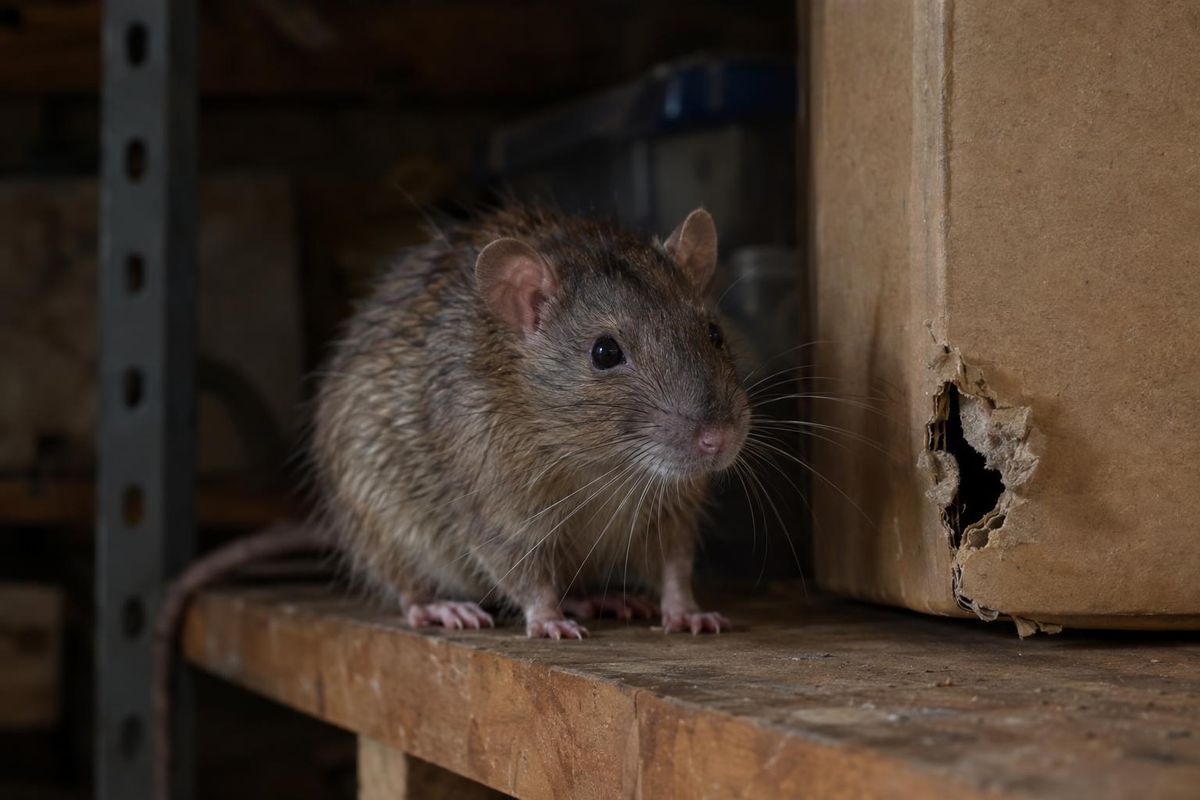
Thumping, scratching, scurrying or chirping above the ceiling is the first sign most people notice. The time of day helps: squirrels are busy by day, while raccoons, rats and bats are active at night.
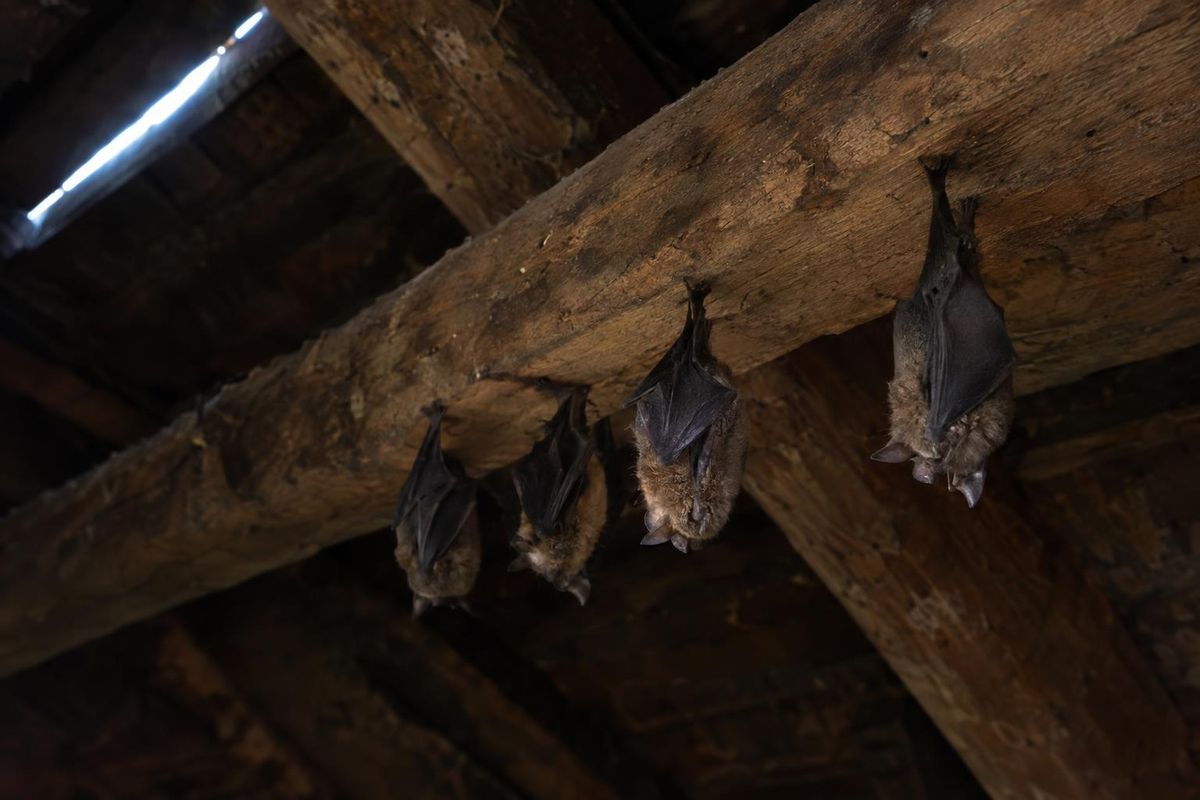
Heavy thumps and dragging sounds suggest a raccoon. Light, fast scampering suggests rodents or squirrels. Squeaking at dusk can mean bats.
Droppings, stains and smells
Droppings in one spot can point to a raccoon latrine. Small pellets near edges suggest rodents. Dark stains on the ceiling can be urine seeping through insulation, and a musty or ammonia smell shows it has built up.
A strong rotting smell may mean an animal has died in the space.
Damage you can see from outside
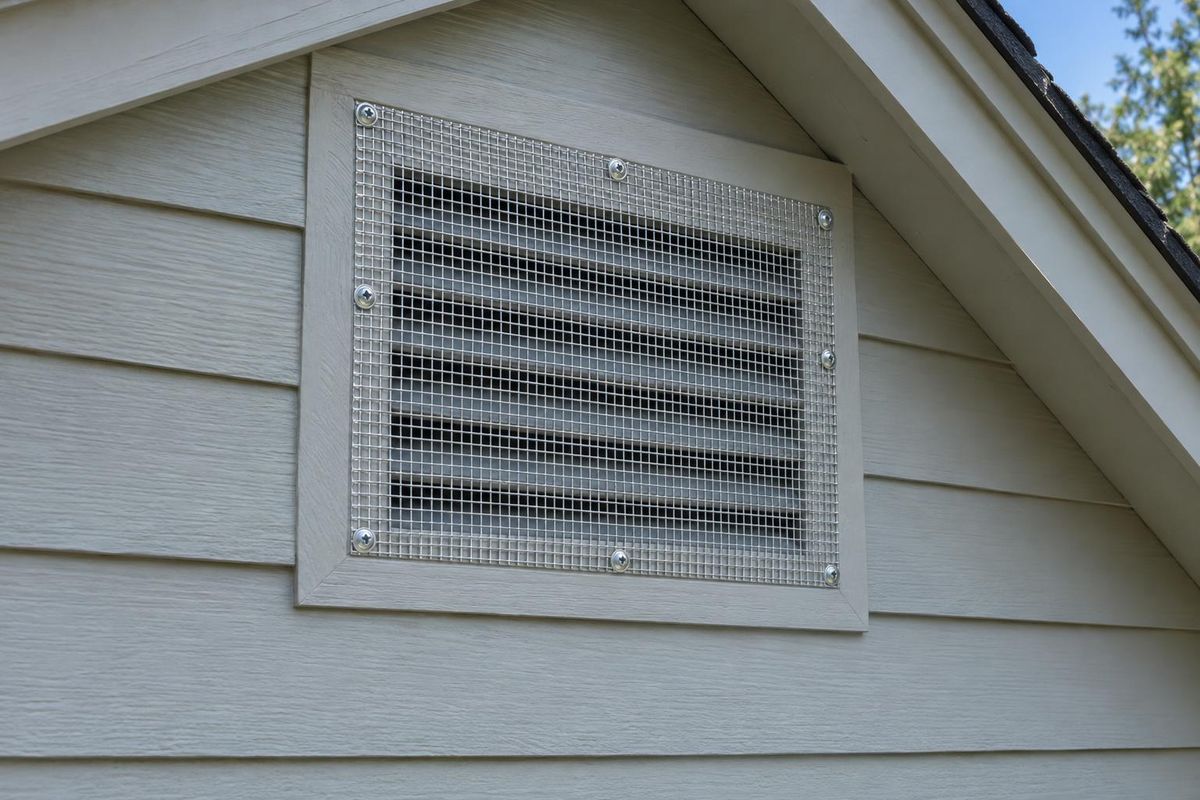
Walk around the house and look at the roofline. Chewed fascia, torn soffit, bent vent covers and gaps at roof returns are the usual entries.
Rub marks of dark grease around a hole show repeated passage.
What to do
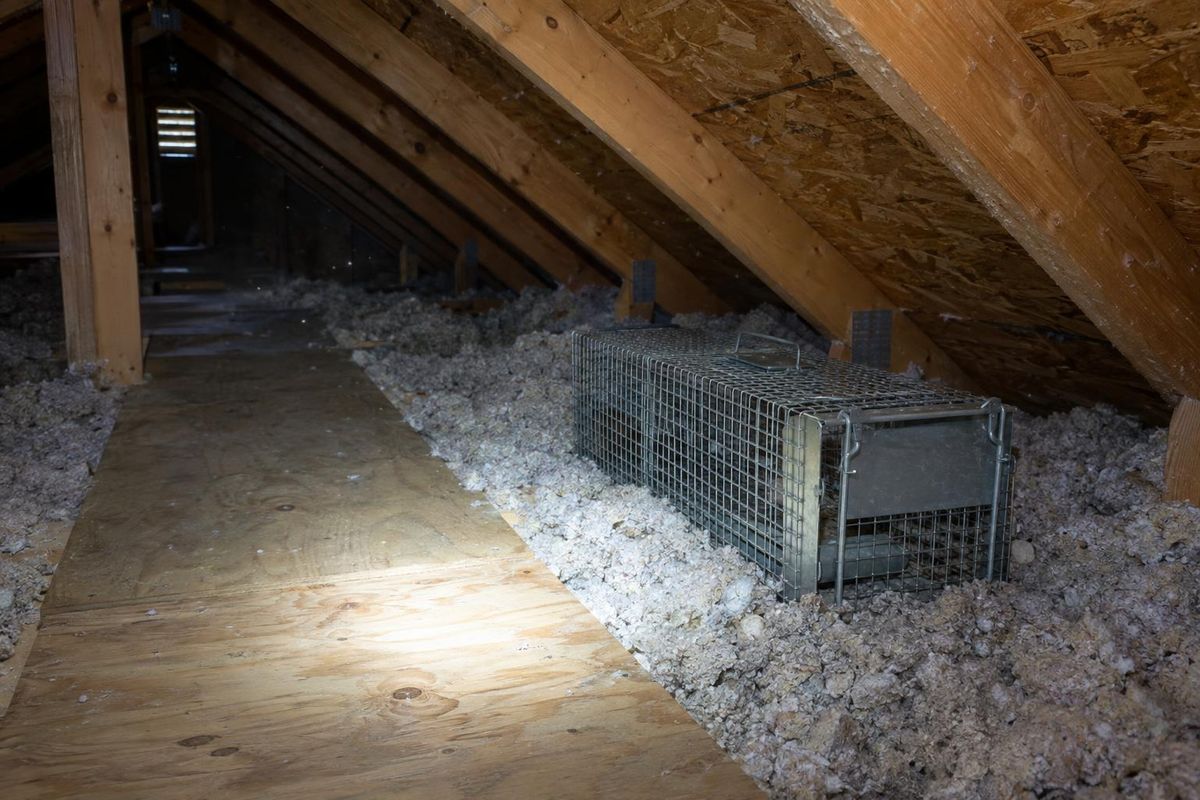
Do not seal an opening before you know the animal is out. Young inside can be trapped. Make a note of the sounds and signs and get an inspection.
Keep pets and children away from the attic until it has been checked.
Quick answers
Can noises in the attic be something else?
Yes. Pipes, heat expansion and wind can make noises. Repeating patterns and droppings suggest animals.
Is it safe to go into the attic?
Animals and droppings can be hazards. Use protection or get help.
How soon should I act?
Soon. Damage and contamination grow, and spring means young animals may be inside.