Key takeaways
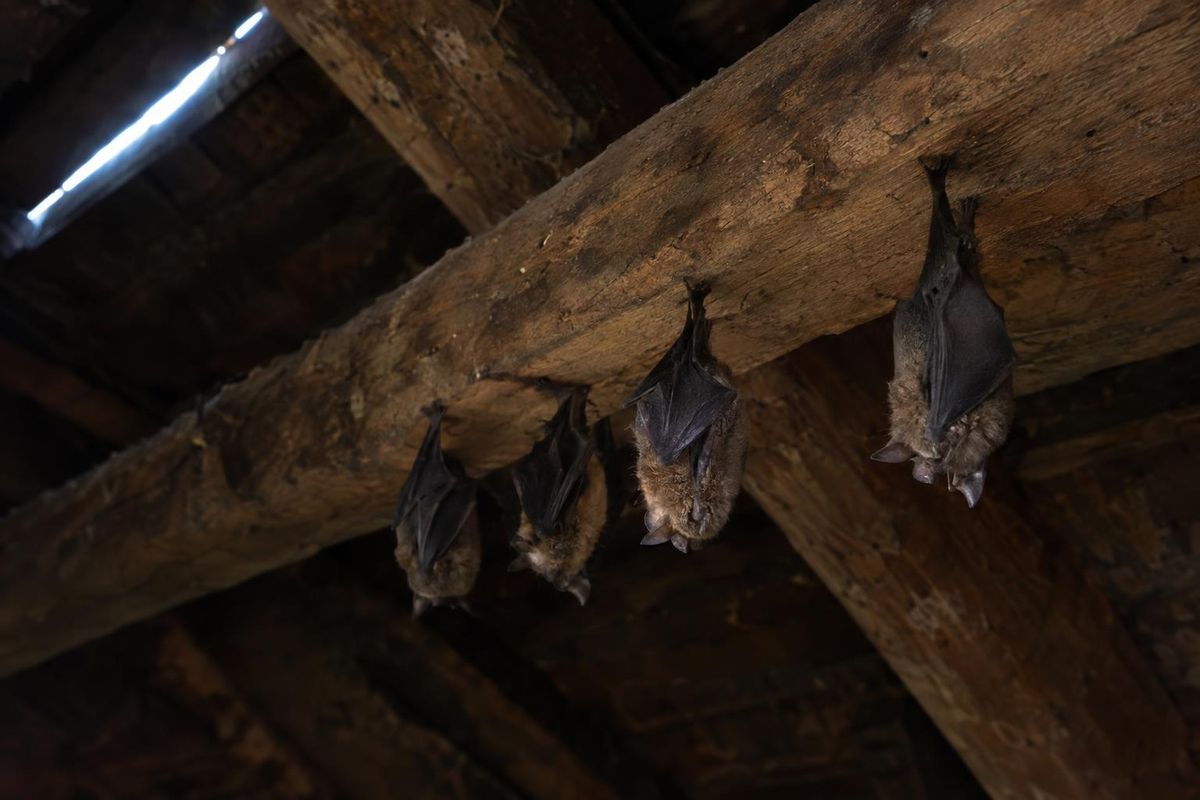
- Bats are valuable animals and some species are protected.
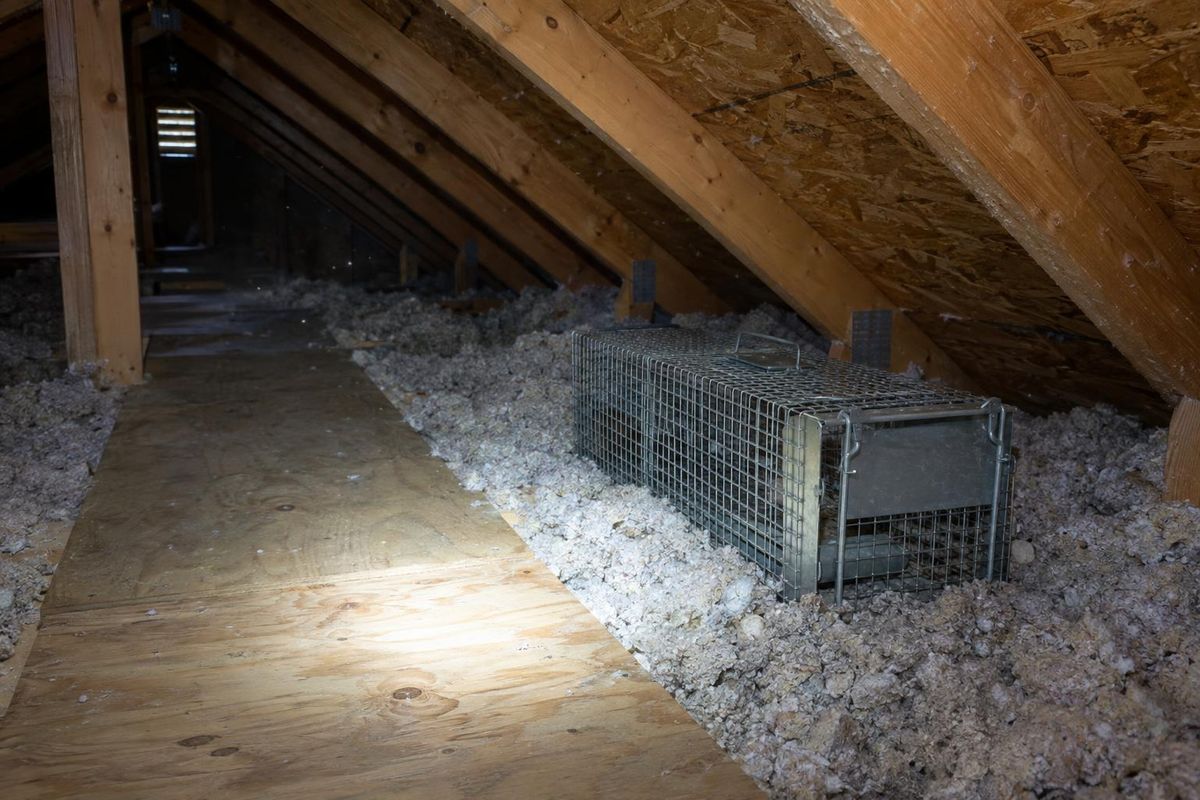
- They are excluded with one-way devices, not trapped.
- Timing matters because young bats cannot fly.
- Droppings should be handled with protection.
Why bats move in
Bats look for warm, dark, sheltered spots to raise young. Attics, soffits, siding gaps and chimneys all qualify, and a gap as small as a finger width can be enough.
A colony can return to the same roost each year.
Exclusion, not trapping
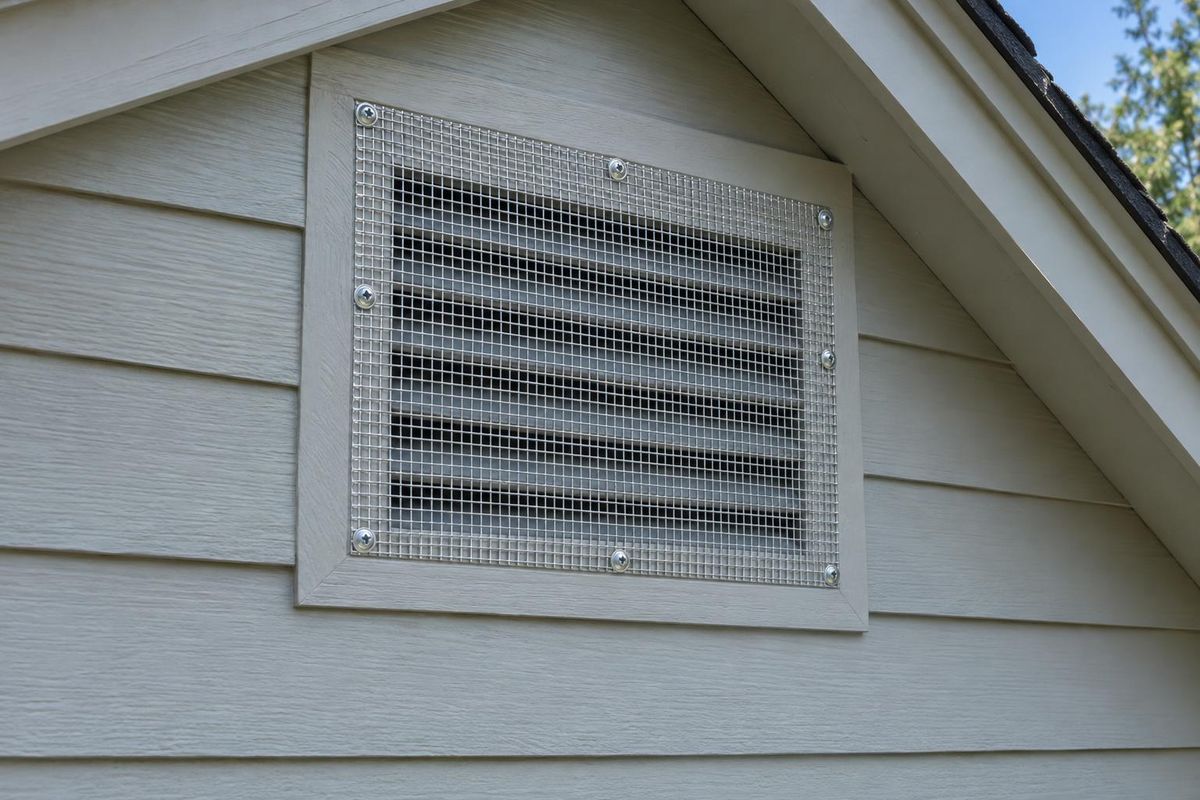
The accepted method is a one-way device placed over the entry so bats can leave at night but cannot re-enter. After the colony is out, the gaps are sealed.
Trapping or harming bats can be illegal and is not effective.
Timing around young
Baby bats cannot fly for several weeks after birth. Excluding the adults in that period can leave young trapped inside. Exclusion is timed to avoid this.
A professional will tell you what is possible in each season.
Droppings and health
Bat droppings can carry germs, so avoid sweeping or vacuuming them. Cleanup with the right protection is a separate step.
If a bat is in the living space, avoid contact and call for advice.
Quick answers
Can I seal the hole at night?
Not without knowing the bats are out. Young may be inside.
Are bats dangerous?
Most are not aggressive, but they should not be handled. Droppings need care.
Will the bats come back?
They can return to the same roost. Sealing the gaps prevents it.