Key takeaways
- Removing the animal is only half the job.
- Mothers with young need special handling.
- Rules govern trapping and relocation.
- Sealing the entry is what stops a repeat.
What DIY trapping misses
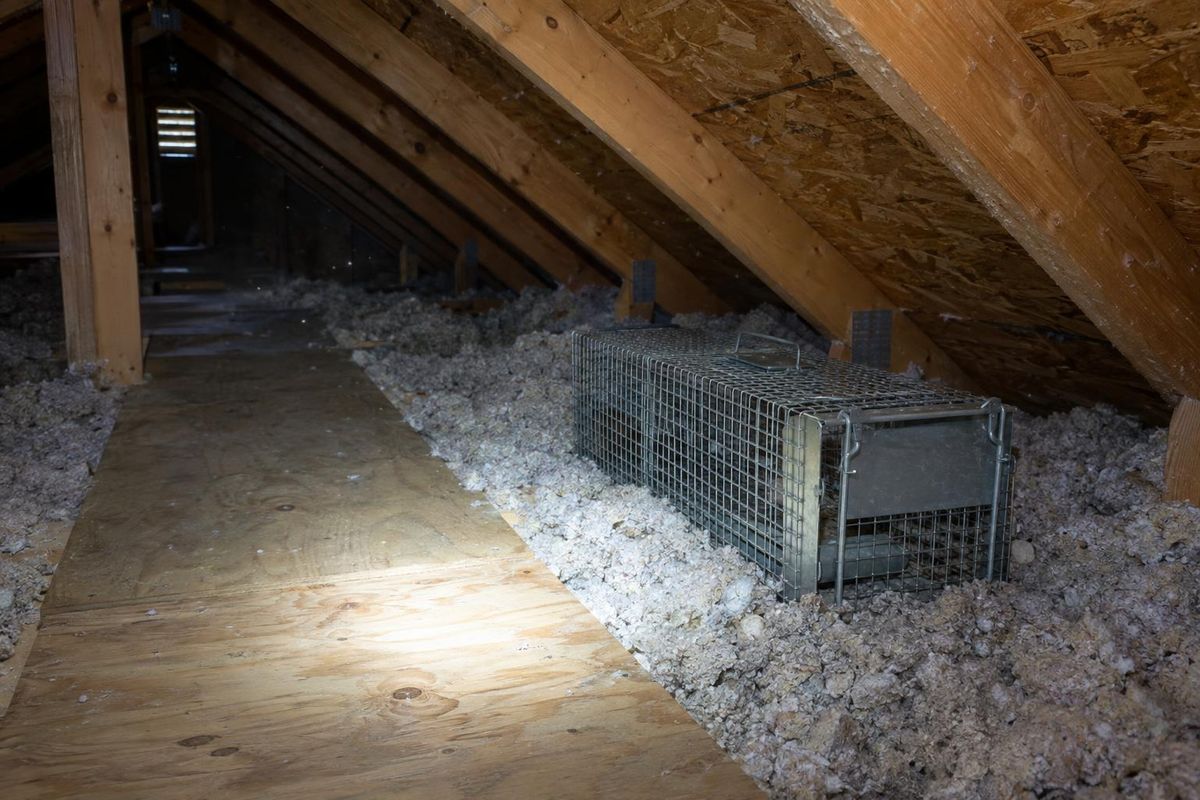
A trap can catch one animal but not the family, and it does nothing for the opening. Many homeowners trap an animal and find a new one a few weeks later.
Traps set badly can catch pets or the wrong animal.
Young animals
Removing a mother can leave young behind to die in the attic, which creates a smell and a worse problem. Professionals check for young first.
Timing matters, especially in spring and summer.
Rules and relocation
Rules about trapping, transporting and releasing wildlife vary by species and place. Some animals are protected.
A professional follows the rules that apply.
Safety
Cornered animals bite and scratch, and some carry diseases. Roof and attic work carries fall and heat risks.
Cleanup also needs protective gear.
Quick answers
Is DIY ever fine?
For a minor, one-time visitor outdoors it may be. For attics and walls, a professional is wiser.
Why not just relocate it myself?
Rules and survival of the animal matter. Moving animals far from home can be harmful and may be illegal.
What does a professional add?
Identification, removal, sealing and cleanup advice in one visit sequence.