Key takeaways
- Roof returns, soffits and vents are the most common entries.
- Foundation gaps and utility lines let rodents in.
- Chimneys and crawl space vents are open doors.
- Metal is the right sealing material.
Roofline
Roof returns, where the roof meets the wall, soffit panels and fascia boards are common entries. Squirrels and raccoons can enlarge a small gap quickly.
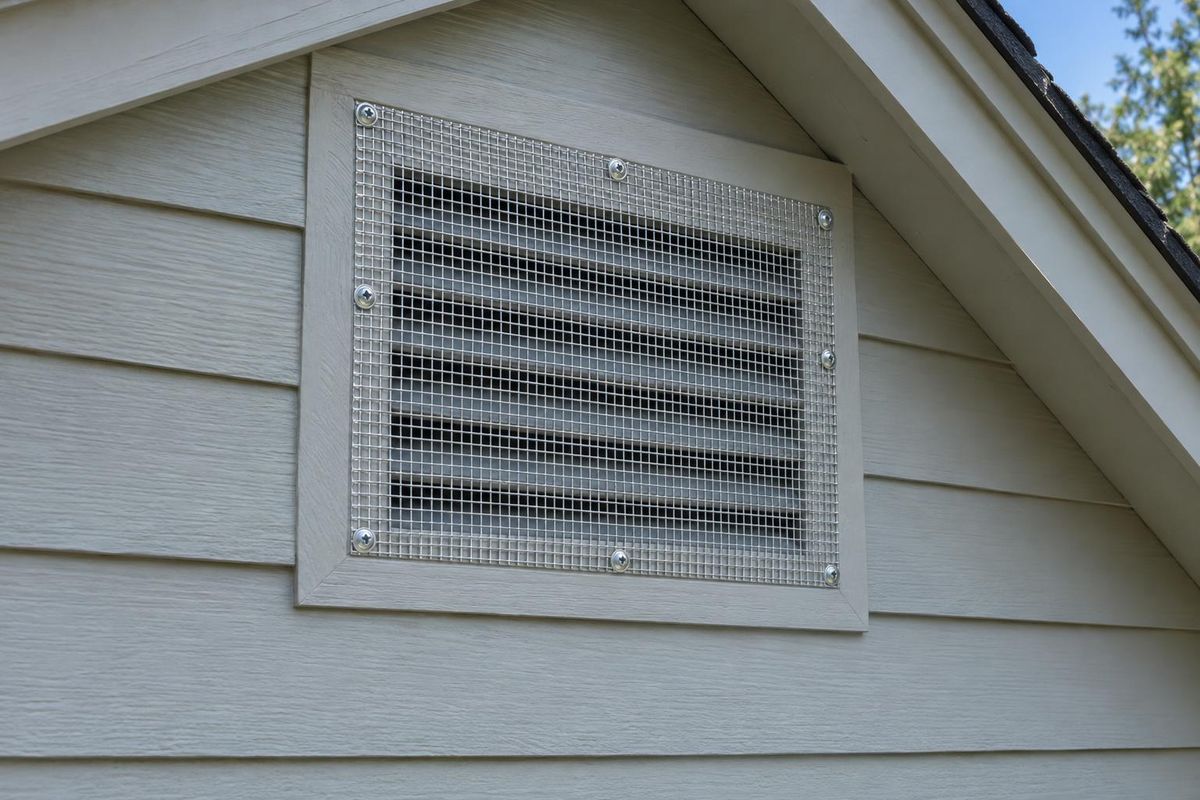
Gable vents and ridge vents with weak screens are other weak points.
Chimneys and vents
Uncapped chimneys, dryer vents and bath exhaust vents provide easy access. Thin plastic flaps are no match for a determined animal.
Guards of metal mesh solve it.
Foundation and utilities
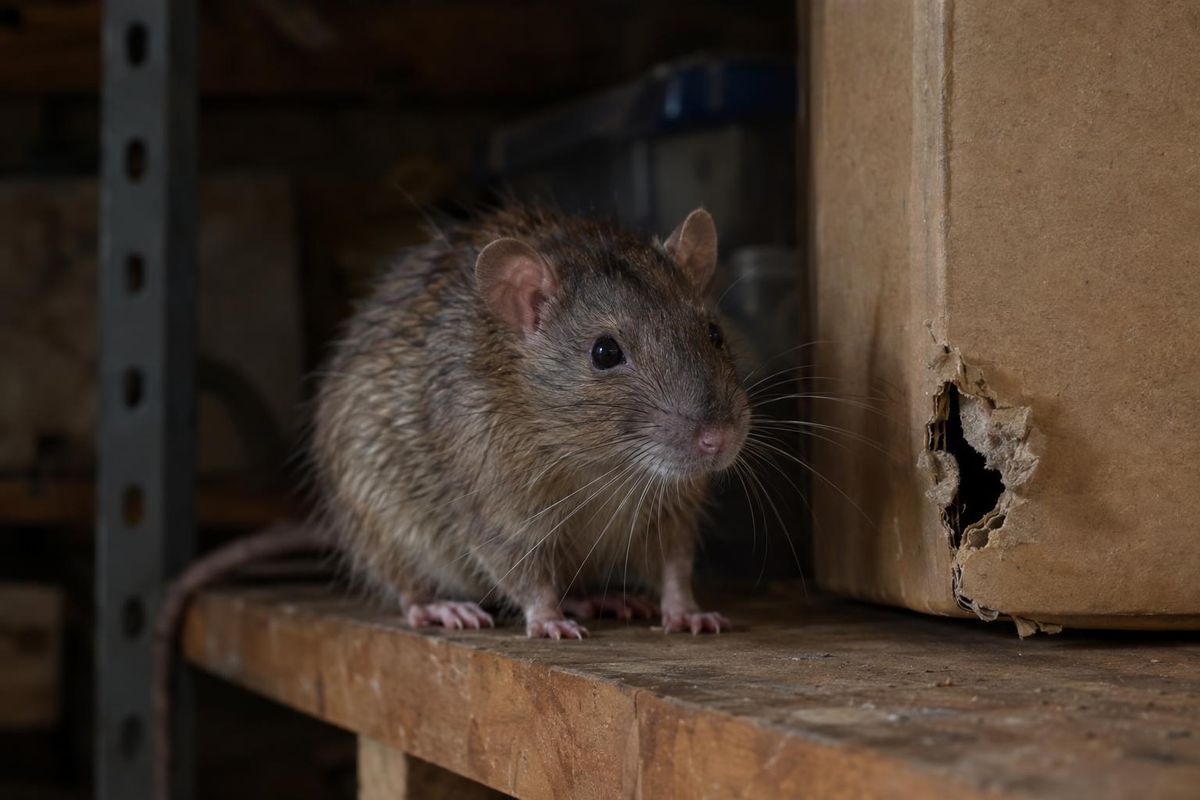
Mice use gaps about the size of a dime. Gaps around pipes, cables and gas lines, cracks in the foundation and missing crawl space vent screens are all used.
Garage door seals are another path.
The fix
Seal openings with heavy-gauge hardware cloth, sheet metal and steel mesh, fastened with screws. Foam, caulk alone and thin plastic do not last.
Repair the damaged wood so the opening is not just covered.
Quick answers
Where do animals get in most often?
The roofline and vents are the most common entries, followed by foundation gaps.
Does caulk work?
Caulk alone does not stop chewing animals. Metal does.
How can I check my house?
Walk the exterior and look at the roofline, vents and foundation. An inspection finds what you miss.